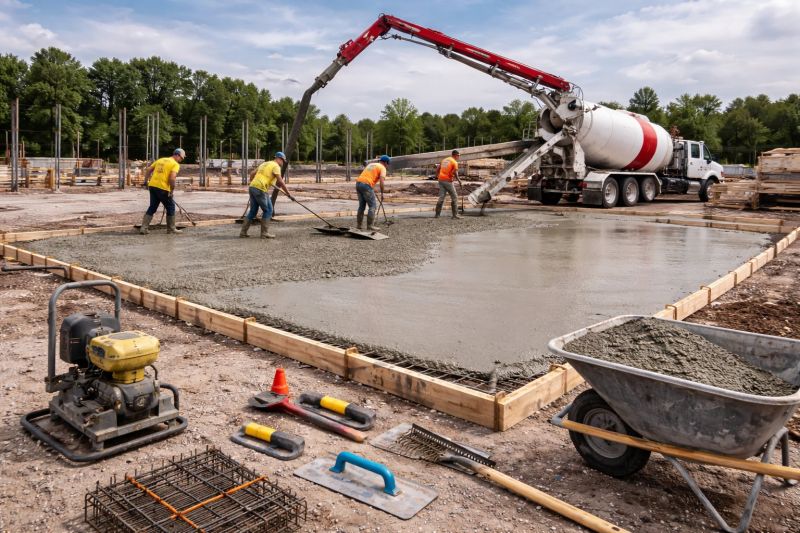
Commercial Slab Construction in Lansing, MI
Commercial slab construction services involve the creation of concrete foundations that support a variety of commercial and industrial structures. These projects typically include building foundations for warehouses, retail centers, office buildings, and manufacturing facilities. Property owners often want to understand the process involved, including site preparation, concrete pouring, reinforcement, and curing, to ensure the foundation will provide a durable and stable base for their structures. Clarifying the scope of work and ensuring the foundation meets the specific needs of the project are common considerations before requesting these services.
Before requesting commercial slab construction, property owners should consider factors such as site accessibility, soil conditions, and load requirements for the intended structure. It is also helpful to understand any local building codes or permits that may influence the project. Clear communication about project size, timeline, and specific foundation needs can help facilitate a smooth construction process. Having detailed plans and understanding the overall purpose of the slab can ensure the foundation supports the long-term stability and safety of the building.
Many property owners in Lansing, MI look into Commercial Slab Construction for repairs, replacements, upgrades, and appearance-related improvements.
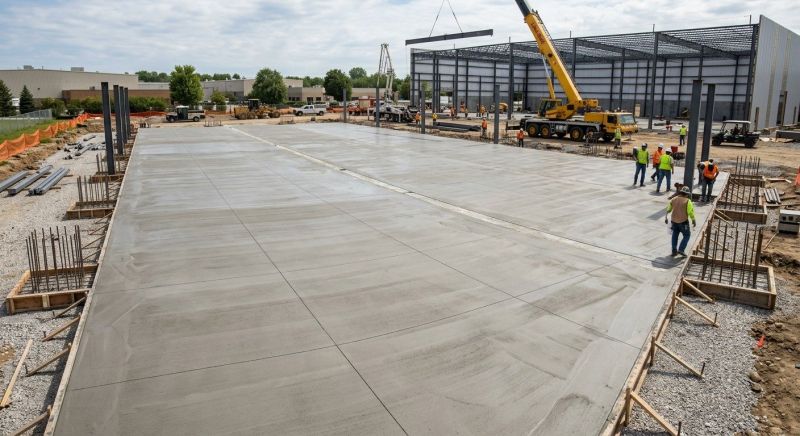
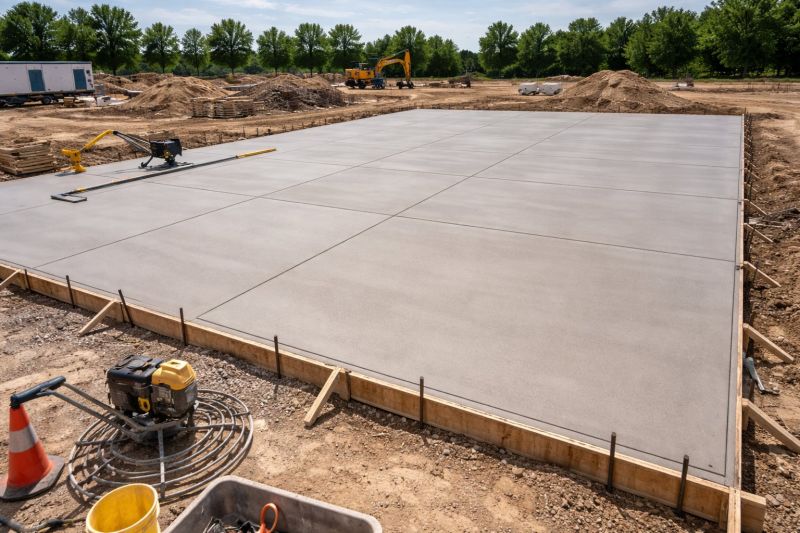
Commercial Slab Design
Design considerations ensure the slab supports the intended use and load requirements for commercial buildings in lansing.
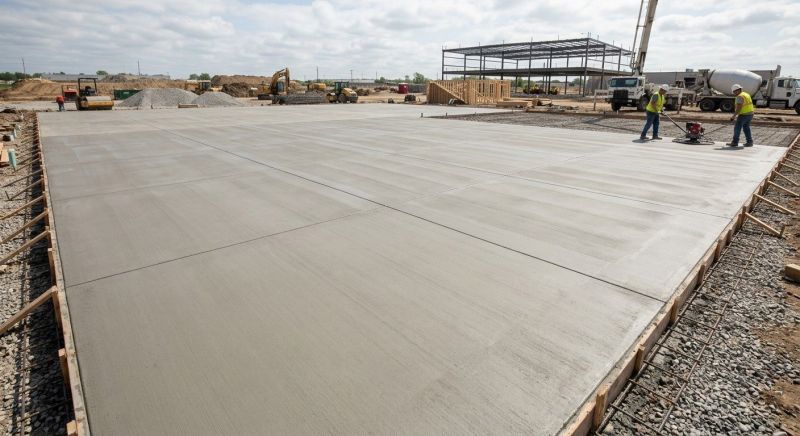
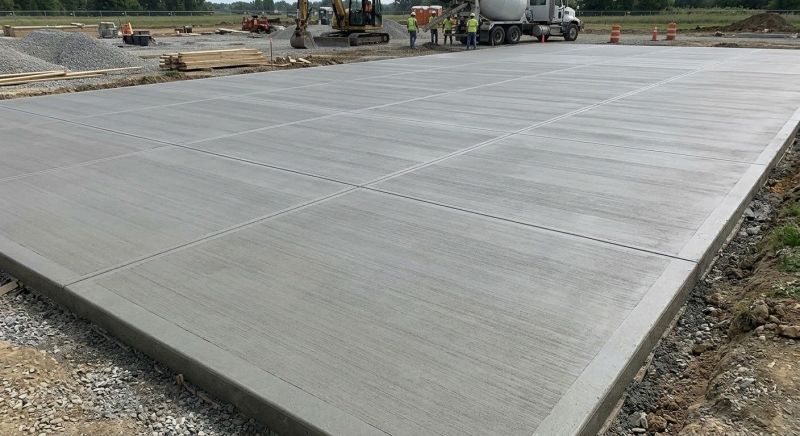
Construction Materials
High-quality concrete and reinforcement materials are essential for durable and long-lasting commercial slabs.
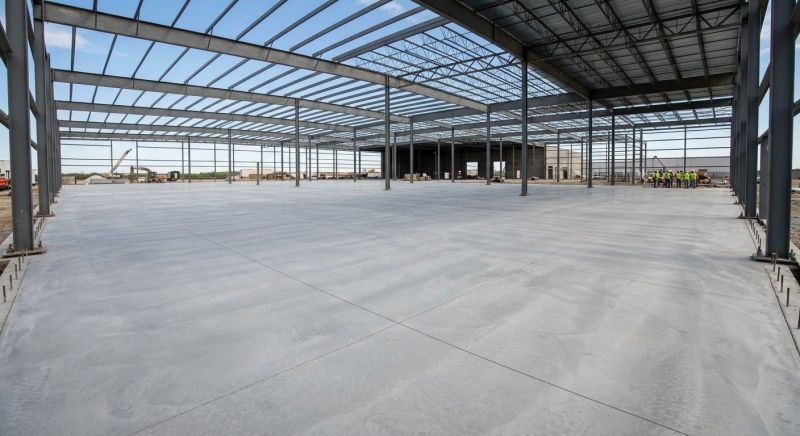
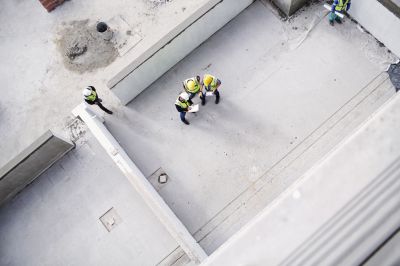
Project Applications
Commercial slabs are commonly used for retail spaces, warehouses, parking lots, and industrial facilities in lansing and surrounding areas.
Commercial Slab Construction in Lansing, MI

Commercial slab construction services involve the creation of concrete foundations that support a variety of commercial and industrial structures. These projects typically include building foundations for warehouses, retail centers, office buildings, and manufacturing facilities. Property owners often want to understand the process involved, including site preparation, concrete pouring, reinforcement, and curing, to ensure the foundation will provide a durable and stable base for their structures. Clarifying the scope of work and ensuring the foundation meets the specific needs of the project are common considerations before requesting these services.
Before requesting commercial slab construction, property owners should consider factors such as site accessibility, soil conditions, and load requirements for the intended structure. It is also helpful to understand any local building codes or permits that may influence the project. Clear communication about project size, timeline, and specific foundation needs can help facilitate a smooth construction process. Having detailed plans and understanding the overall purpose of the slab can ensure the foundation supports the long-term stability and safety of the building.
Many property owners in Lansing, MI look into Commercial Slab Construction for repairs, replacements, upgrades, and appearance-related improvements.
Common Commercial Slab Construction Jobs
Commercial parking slabs - designed to provide durable surfaces for vehicle parking and access.
Warehouse flooring slabs - constructed to support heavy equipment and high-traffic storage areas.
Retail storefront slabs - created to establish stable, level foundations for commercial entrances.
Industrial concrete slabs - built to withstand heavy machinery and frequent use in manufacturing facilities.
Loading dock slabs - installed to facilitate smooth loading and unloading operations.
Office building slabs - designed to support multi-story commercial structures with stable foundation needs.
Commercial Slab Construction Questions
What types of projects require a commercial slab? Commercial slabs are used for building foundations, parking areas, loading docks, and industrial flooring to support heavy equipment and traffic.
How thick should a commercial slab be? The thickness varies based on the intended use, typically ranging from 4 to 12 inches to ensure proper support and durability.
What materials are used for commercial slabs? Concrete is the primary material, often reinforced with steel rebar or wire mesh for added strength and stability.
Why is proper soil preparation important? Proper soil preparation ensures a stable base, reduces settling, and helps prevent cracking or shifting of the slab over time.
Request Commercial Slab Construction in Lansing, MI
Use the quote form on this page to share the basics of your project and request more information for the type of work you need.